Growing businesses take on new engineers, cleaners and officers all the time. How their first day goes affects how quickly they're useful, and how long they stay.
Before they arrive
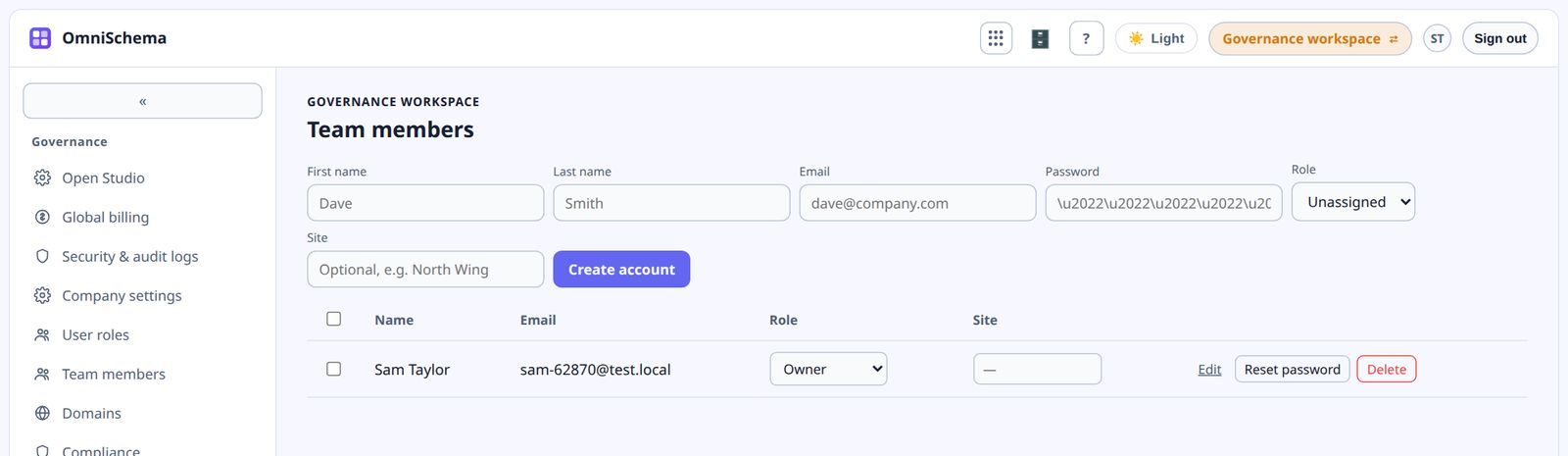
- Create their account, so they can sign in on day one.
- Give them the right role, so they see what they need and no more.
- Put them on the rota for their first week.
- Pick a simple first job, ideally shadowing someone experienced.
First hour: the basics
Spend the first hour on sign-in and orientation: signing in on their own phone, turning on two-step sign-in, finding their jobs and shifts, and knowing where to get help.
Walk through a real job together
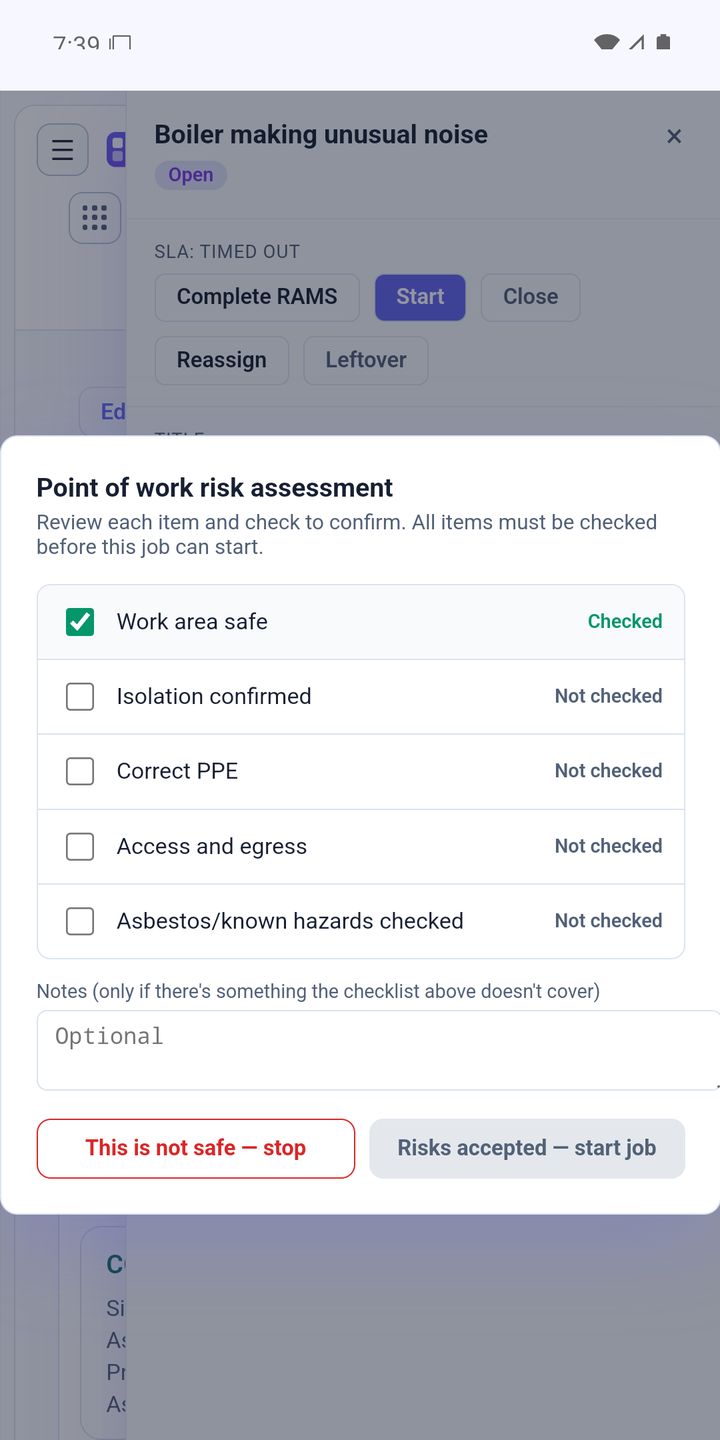
Nothing teaches like a real job. Go through one side by side: open it, read the description, do the safety check, start it, add notes, close it. They'll remember the steps far better than from any manual.
Explain the why
People follow processes better when they understand them. Explain why the safety check matters, why closing notes help the invoice, and why jobs get started on site rather than in the van afterwards.
Afternoon: a job of their own
By the afternoon, give them a straightforward job to handle themselves, with someone on the end of a message if they get stuck.
End of the day
Ask what confused them. New starters notice things everyone else stopped seeing years ago. Their feedback often reveals a form field nobody uses or a step that could be simpler.
In OmniSchema, adding a new team member and choosing their role takes a minute. They sign in on their own phone with nothing to install, see only the jobs and shifts that are theirs, and the safety check and closing steps guide them through each job.