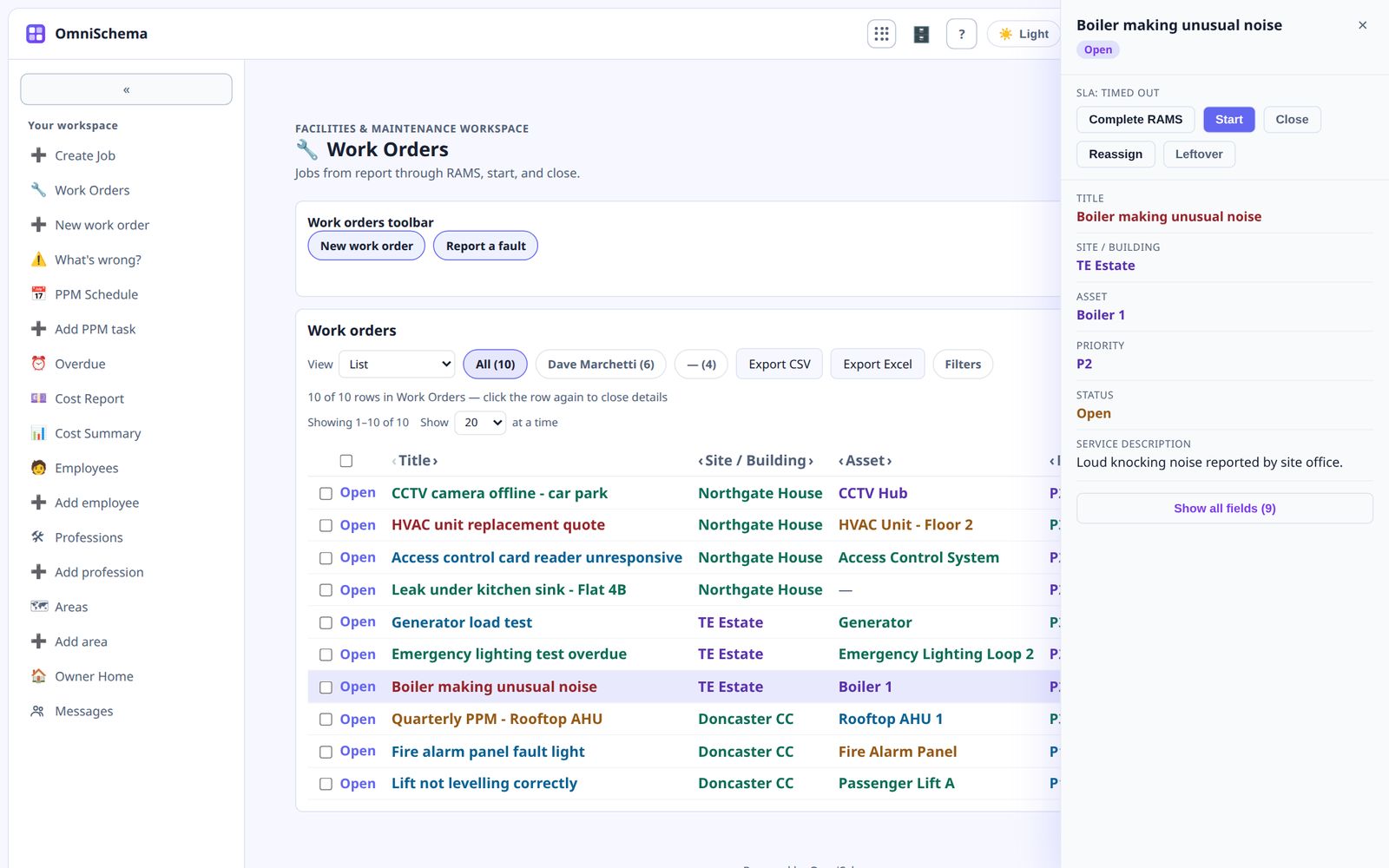
"Audit trail" sounds like something only accountants and regulators care about. It's actually one of the most useful things a small operations business can have, and it protects your staff at least as much as it protects the business.
What it is
An audit trail is a record of the important things that happen: who did what, to which record, and when. A job was created, started, reassigned, closed. A safety check was signed. A setting was changed.
When you'll be glad of it
- A customer says nobody turned up, and you're sure someone did.
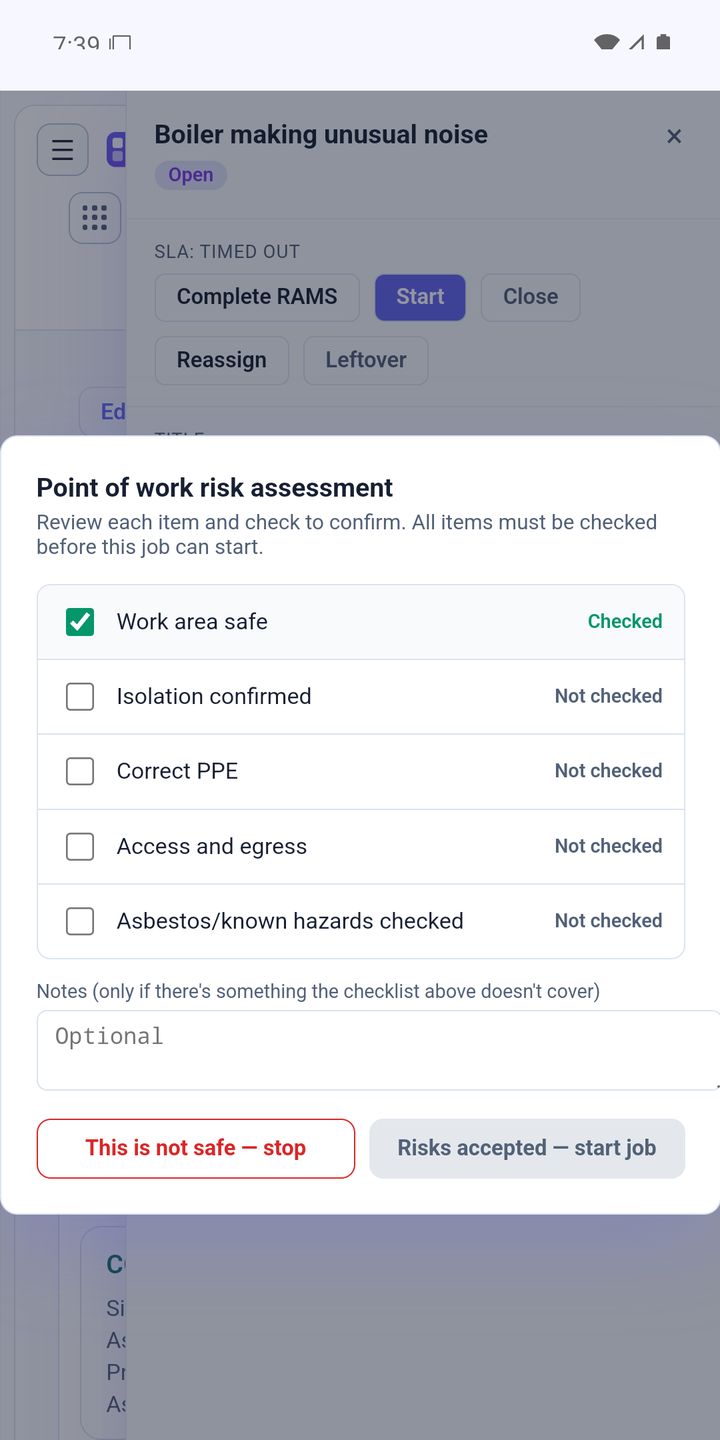
- There's an accident and you need to show a safety check was done.
- An invoice is disputed and you need to show when the work happened.
- Something changed and nobody remembers who changed it.
In each case a clear record turns an argument into a thirty-second answer.
It protects the people doing the work
Engineers who follow the process benefit most. If a check was done properly and recorded, the record speaks for them. Without it, it's their word against someone else's.
What a good trail looks like
- It's automatic, so nobody has to remember to write it.
- It uses the real signed-in person, never a typed name.
- It can't be quietly edited afterwards.
- It's easy to find from the record it relates to.
Don't record every click
A trail that logs every mouse click becomes noise. Focus on the moments that matter: status changes, assignments, safety checks, approvals, deletions and permission changes.
In OmniSchema the key moments on a job are recorded against the real signed-in person: who created it, who started it, who closed it and every reassignment. Safety checks are signed by whoever is actually signed in, and important account and security actions are logged too.